It’s Not Just About the Price Tag
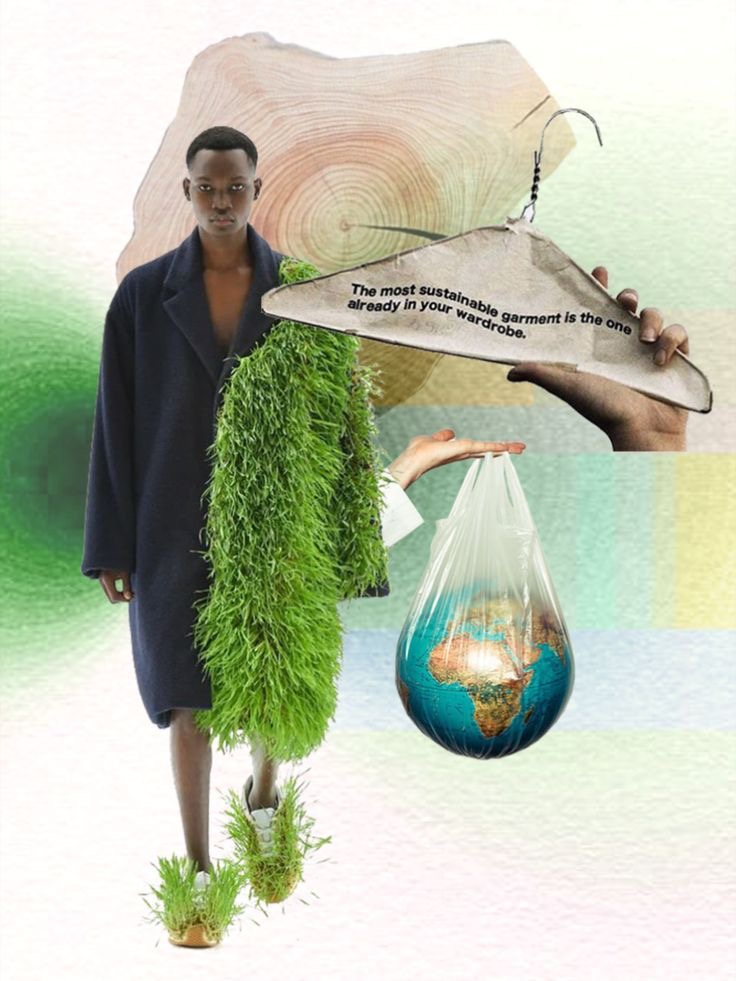
We’ve all been there. Strolling through the mall or scrolling online, you see a trendy top for less than the cost of a coffee. The initial thought is powerful: “It’s so cheap, what’s the harm?” Conversely, you find a unique, high-quality jacket at the thrift store for a bit more and hesitate, wondering if it’s “worth it.”
This decision is often framed as new-and-cheap versus used-and-affordable. But the true cost of that choice radiates far beyond the numbers on a price tag. It’s a choice between two fundamentally different systems with profound consequences for our planet, its people, and our own psychology. Let’s pull back the curtain.
The True Cost of Fast Fashion
That ₹499 fast fashion top carries a much heavier hidden price tag than you see. Its real cost includes severe environmental damage through chemical pollution and massive water waste – it takes approximately 2,700 litres of water just to make one cotton t-shirt. The fast fashion industry also relies on exploited garment workers facing poor working conditions, while producing low-quality clothing that quickly ends up in landfills. The financial impact adds up too rapidly. The average Indian throws away clothes worth ₹2,000-3,000 each year, making that “bargain” purchase much more expensive in the long run.
The Real Value of Thrifting
In beautiful contrast, thrifting a similar quality top for ₹200-300 offers incredible sustainable value. Choosing secondhand supports circular fashion by reducing waste and giving existing clothes new life. The money will go toward supporting local charities and communities, rather than funding pollution and exploitation. Thrifting provides unique, quality pieces that help develop personal style while being both budget-friendly and environmentally responsible. Your ₹300 purchase becomes an investment in sustainability rather than waste, proving that true value isn’t about finding the lowest price but supporting the highest principles for our planet and people.
Every purchase you make is a vote for the world you want to live in. Choose thrifting to support a sustainable, ethical fashion future where style doesn’t cost the earth. Your wallet, your wardrobe, and our world will thank you for it.